Posts

Showing posts with the label asbestos diseases

Mesothelioma Diagnosis Increased due to Asbestos
Image
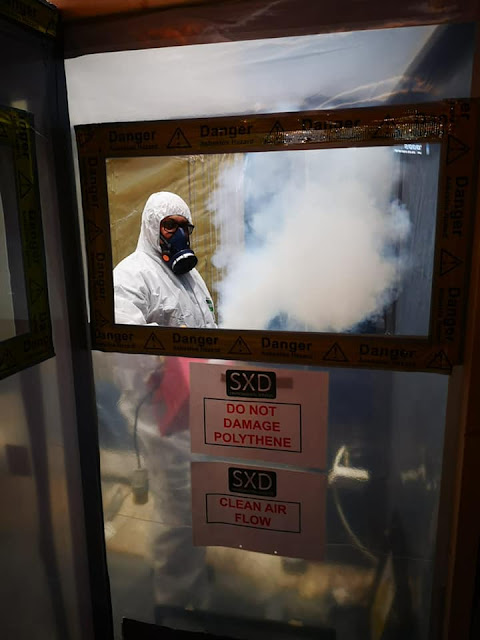
After a period of latency, the number of mesothelioma diagnoses has increased. "Asbestos exposure typically occurred through the work of parents, uncles, stepparents, or other loved ones bringing asbestos-contaminated clothing home," says one expert.  Today, industries that still use asbestos materials are more strictly regulated and forced to implement the appropriate precautions to avoid take-home exposure, thereby removing the hazard. Work clothing that have been contaminated must be washed, and equipment must be sterilised. To avoid bringing asbestos home on your skin or hair, take a shower. During much of the twentieth century, when males made up the bulk of the industrial working class, this was not the case. They went home with asbestos fibres in their clothing, skin, and hair, exposing their family to the dangerous material in an indirect manner. Know About The EPA's Libby Superfund Site is moving forward with asbestos cleanup. Do you suspect your property and ne...
How does asbestos cause lung cancer?

Image
In older structures, asbestos exposure is also a risk. Microscopic fibres can become stuck in a person's lung tissue if they inhale asbestos. The fibres can cause enough genetic and cellular damage over time to turn lung cells malignant. Asbestos  exposure causes malignancies of the lungs, larynx, and ovaries, as well as mesothelioma (a cancer of the thin membranes that line the chest and abdomen). Mesothelioma is the most prevalent cancer linked to asbestos exposure, despite the fact that it is an uncommon disease. Who Affected More with Asbestos Those who were exposed to asbestos in the workplace between the 1930s and the late 1970s – when the usage of this mineral was quite widespread – are more likely to develop lung cancer since they inhaled massive numbers of carcinogenic fibres on a daily basis. Nonetheless, there have been occasions where a single asbestos exposure has resulted in lung cancer, which is why, when it comes to asbestos, it is always better to be cautious than ...